In winter, it's best to drink full-bodied red wines like Cabernet Cortis and Rondo, rich oak-aged white wines like mature Solaris, or warming orange wines. These wines have more body and complexity, making them perfect pairings with winter dishes and chilly evenings. Dutch winter wines offer unique characteristics thanks to their terroir and production techniques specifically tailored to our climate.
Why do certain wines taste better in winter?
Winter wines taste better because of the combination of lower temperatures, dry air, and seasonal foods that influence our taste perception. During colder months, we crave fuller, richer flavors with more body and warmth. The low temperature reduces the volatility of aromas, allowing complex wines with deeper flavors to fully develop.
Winter humidity affects how we perceive flavors. Dry winter air can make your taste buds more sensitive to tannins and acids, which makes soft, round wines more pleasant to the palate. This explains why oak-aged wines with soft tannins, such as Dutch orange wines aged for five years, are so well-suited to winter conditions.
Seasonal dishes also play an important role. Winter stews, game, and hearty vegetable dishes require wines with sufficient structure and intensity. The richness of winter dishes harmonizes perfectly with the tannins in red wines, while the complexity of roasted flavors calls for wines with depth.
Which red wines pair best with winter dishes?
Dutch red winter wines such as Leon Millot, Maréchal Foch, Cabernet Cortis and Rondo Pairs perfectly with classic winter dishes. These grape varieties, also called hybrids or PIWIs, are naturally disease-resistant and produce full-bodied wines suitable for winter. They offer complex flavors of dark fruit, spices, and earthy notes that perfectly complement winter dishes.
Red wines with firm tannins and a full structure complement stews and game dishes. Dutch-grown Cabernet Cortis, for example, offers rich berry aromas with hints of pepper and bay leaf, ideal with venison steak or wild boar ragout. Rondo's softer tannins are excellent for vegetarian winter dishes like mushroom stew or roasted root vegetables.
Serving temperature is crucial for winter red wines. Serve them at 16-18 degrees Celsius, slightly cooler than room temperature. This preserves the freshness, while the warmth of the wine perfectly contrasts with the cold outside air. Dutch red wines often have a natural freshness that distinguishes them from wines from more southern regions, preventing them from feeling too heavy during long winter meals.
Can you also drink white wine on cold winter evenings?
White winter wines are a surprising choice that works great, especially fuller white wines with wood aging Such as aged Solaris or aromatic Johanniter. These Dutch grape varieties produce white wines with sufficient body and complexity for winter occasions. Oak-aged versions offer extra texture with vanilla and brioche notes that suggest warmth.
Aromatic white wines like Solaris develop captivating aromas of citrus, honey, and nuts after several years of aging. A five-year-old Solaris, for example, displays complex aromas of orange and mandarin with subtle bitter notes that perfectly complement winter fish dishes or creamy pasta dishes. These wines have a full, rounded mouthfeel that meets the need for substance during the colder months.
For winter aperitifs, these full-bodied white wines pair beautifully with soft sheep's cheese, grilled vegetables, or hummus. Their combination of freshness and complexity makes them more versatile than you might expect. Discover more about Dutch white winter wines which have been specially selected for their winter character.
What makes Dutch winter wines special?
Dutch winter wines are distinguished by unique terroir influences and production techniques perfectly suited to our climate. The cool nights and temperate summers produce wines with a natural freshness and elegance which makes them suitable for winter consumption without becoming too heavy. Dutch winemakers often work organically with minimal intervention, resulting in pure, expressive wines.
The choice of specific grape varieties is crucial. Dutch winemakers consciously plant hybrid grapes that are tolerant of our humid climate. These PIWI grapes, such as Solaris, Johanniter, and Cabernet Cortis, produce wines with a unique flavor profile not found in traditional wine-growing countries. The combination of modern winemaking techniques and respect for the terroir creates winter wines with character.
Many Dutch vineyards operate on a small scale and artisanal basis, with each vine receiving individual attention. This approach results in wines with greater complexity and personality. The short transport distances also mean that Dutch winter wines are fresher and have a lower carbon footprint, contributing to their unique position in the market.
What's the best way to serve wine during the winter months?
The correct serving temperature is essential for winter wines: red wines at 16-18°C, fuller-bodied white wines at 10-12°C, and orange wines at 12-14°C. These temperatures bring out the complexity without losing the freshness. Allow wines to gradually warm up by removing them from the cellar an hour before serving.
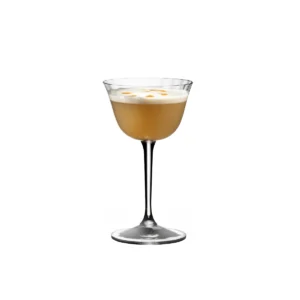
Decanting significantly enhances winter wines, especially older vintages and orange wines. It opens up the aromas and softens any tannins. For Dutch winter wines, 30-60 minutes of decanting is usually sufficient. Use wide-mouthed glasses for red wines to concentrate the aromas, and tulip-shaped glasses for complex white and orange wines.
The ambiance enhances the winter wine experience. Candlelight, a crackling fire, and the perfect glassware create the perfect setting. Pair wines with seasonal snacks like caramelized walnuts, dried fruit, or artisanal cheeses. These small details transform wine drinking into a complete winter experience that exudes warmth and coziness.
Dutch winter wines offer a unique experience perfectly suited to our climate and winter traditions. From robust reds to surprising white and orange varieties, there's a suitable Dutch wine for every winter occasion. By paying attention to serving temperature, glassware, and ambiance, you can create memorable moments during the cold months. Discover the richness of Dutch winter wines and be amazed by their quality and character.
[seoaic_faq][{“id”:0,”title”:”How long can I keep Dutch winter wines and when are they at their best?”,”content”:”Dutch winter wines like Cabernet Cortis and Rondo can be kept for 5-8 years, while oak-aged Solaris is often at its best after 3-5 years. Store them at a constant temperature of 12-14°C in a dark place. Orange wines that have been aged for five years are often ready to drink immediately but can still develop for 2-3 years.”},{“id”:1,”title”:”Which Dutch winter wines go best with vegetarian and vegan winter dishes?”,”content”:”For mushroom dishes and umami-rich dishes, an orange wine works excellently due to its texture and complexity. A soft Rondo is perfect with roasted winter vegetables, while creamy vegan pastas pair beautifully with an oak-aged Johanniter. Please note: not all Dutch wines are vegan-fined, so check with the producer.”},{“id”:2,”title”:”What is the price difference between Dutch winter wines and comparable foreign wines?”,”content”:”Dutch winter wines average between €15-30 per bottle, which is competitive with quality foreign wines. The higher price is justified by small-scale production, hand harvesting, and organic cultivation. Moreover, you get unique grape varieties that you won't find anywhere else, plus the lower carbon footprint due to short transport.”},{“id”:3,”title”:”How do I recognize a good Dutch winter wine in a store or at the liquor store?”,”content”:”Look for wines made from PIWI grapes such as Solaris, Cabernet Cortis, or Rondo on the label. Check the vintage – for winter wines, wines aged 2-5 years are ideal. Ask specifically for organic producers and wines aged in oak for more complexity. Good liquor stores often have sample bottles or organize tastings of Dutch wines.”},{“id”:4,”title”:”Can I also use Dutch winter wines for Mulled wine or other warm winter drinks?,"content":"For mulled wine, it's best to use a simple, fruity Dutch red wine like a young Leon Millot – avoid complex wines. For a Dutch twist on a warm winter drink, warm a white Solaris with honey, orange, and winter spices. Never heat above 60°C (140°F) to preserve the alcohol and delicate aromas.,"},{"id":5,"title":"Which Dutch wine regions produce the best winter wines, and can I visit them?,"content":"The best Dutch winter wines come from Limburg (chalk and loess soils), Gelderland (river clay), and North Brabant (sandy soils). Many vineyards offer winter tastings and tours, often paired with seasonal dishes. Plan your visit between November and March for special winter packages. Book in advance, especially during the holidays.,"}][/seoaic_faq]