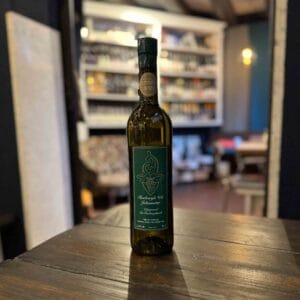
Sulfite-free wines contain no added sulfites (sulfur dioxide) and have a natural sulfite content below 10 mg/L. These wines are mainly found among natural wines, certain organic wines, and orange wines. Dutch winemakers like VieVinVjenne in Twente make completely natural wines without added sulfites. Look for terms like "sans sulfites ajoutés" or "no added sulfites" on the label to identify these wines.
What are sulfites in wine and why are they added?
Sulfites (sulfur dioxide or SO2) are preservatives used in wine production for centuries. They protect wine from oxidation and unwanted bacteria, preserving its freshness and flavor. All wines naturally contain a small amount of sulfites which is formed during fermentation, usually between 10-40 mg/L.
Winemakers add extra sulfites to keep the wine stable during storage and transport. This prevents the wine from browning, losing its fruity aromas, or developing undesirable flavors. European legislation requires producers to indicate "contains sulfites" on the label if the level exceeds 10 mg/L.
The difference between natural and added sulfites is important for those with sensitivities. Natural sulfites form spontaneously during fermentation, while added sulfites are deliberately added at various stages of winemaking. Conventional wines can contain up to 200 mg/L (red) or 250 mg/L (white) of total sulfites.
Which types of wine naturally contain less or no sulfites?
Natural wines contain the least sulfites because producers consciously choose minimal intervention. These wines are made without chemical additives and with wild yeasts, meaning only naturally formed sulfites are present. Orange wines, made with white grapes fermented on their skins, also often have lower sulfite levels due to the natural antioxidants present in the grape skins.
According to EU law, organic and biodynamic wines may contain less sulfites than conventional wines. A maximum of 100 mg/L applies to organic red wine and 150 mg/L to white wine. Certain grape varieties, such as Solaris and Johanniter are naturally more resistant to oxidation and mold, meaning less preservation is required.
Production techniques that minimize sulfite use include using extremely clean equipment, cold fermentation, rapid bottling under a protective atmosphere, and the use of natural antioxidants such as vitamin C. Some winemakers are experimenting with alternative preservation methods, such as adding tannins from grape seeds.
How do you recognize sulfite-free wines in the store?
Wine labels will say "contains sulfites" when the level is above 10 mg/L. For truly sulfite-free wines, look for specific indications such as 'sans sulfites ajoutés' (no added sulphites), 'sulphur-free' or 'sulfite-free'. Note: 'no added sulphites' does not mean the wine is completely sulfite-free, as natural sulphites are always present.
Certifications can help identify low-sulfite wines. The Demeter label for biodynamic wines allows for very strict sulfite limits. Nature et Progrès certification in France even prohibits all added sulfites. Dutch natural winemakers often proudly list their practices on the back label.
Practical tips for in-store purchases: ask specifically for natural wines or unfiltered wines, as these usually have fewer sulfites. Check with the importer – natural wine specialists often offer sulfite-free options. Small, artisanal producers often use fewer additives than large wineries. The price is usually higher due to the labor-intensive production process.
Where can you find Dutch wines without added sulphites?
Dutch natural winemakers like VieVinVjenne in Vriezenveen, Twente, make completely sulfite-free wines. This vineyard has been operating entirely naturally since its founding, without pesticides, artificial fertilizers, or added sulfites. Their wines are bottled unfiltered using only naturally occurring yeasts, resulting in pure wines with more flavor and character.
Other Dutch vineyards experimenting with sulfite-free production are often small-scale organic or biodynamic farms. These are mainly found in Limburg, Gelderland, and Zeeland. They work with hybrid grape varieties (PIWIs) such as Leon Millot, Marechal Foch, and Cabernet Cortis, which have natural disease resistance.
In Amsterdam you can go to specialist wine shops for Dutch natural wines Where knowledge about sulfite-free wines is shared. Online stores specializing in Dutch wines are increasingly offering a selection of natural wines. Ask local winemakers directly about their practices – many small producers make wines with minimal sulfite use but don't always prominently mention this.
What is the difference in taste between regular and sulfite-free wines?
Sulfite-free wines often have a more lively and complex flavor profile Because natural yeast processes are not suppressed, they can develop earthier, funkier, or "wild" aromas that some value for authenticity. The texture is often fuller with more body due to the presence of natural proteins and polysaccharides that have not been filtered out.
The color of sulfite-free wines can range from clear to cloudy, especially with unfiltered natural wines. White wines can develop a deeper gold or amber hue due to slight oxidation. Red wines often retain a vibrant, natural color. The mouthfeel is generally softer with finer tannins, especially with orange wines that have had extended skin contact.
For optimal enjoyment, store sulfite-free wines cool (12-14°C) and drink within a few days of opening. They are more sensitive to temperature fluctuations and oxidation. Decant carefully to avoid sediment. Serve them slightly cooler than regular wines to maintain freshness. Pair them with natural, pure dishes to fully express their authentic character.
Sulfite-free wines offer a pure wine experience for connoisseurs who appreciate natural flavors and are sensitive to sulfites. Dutch winemakers are leading this movement with innovative natural wines that combine character and quality. Whether you choose an exciting orange wine or an elegant sulfite-free red wine, these wines tell the story of artisanal craftsmanship and respect for nature. Discover the growing selection of Dutch natural wines and experience the difference in taste and experience for yourself.
[seoaic_faq][{“id”:0,”title”:”How long does an opened sulfite-free wine last and what is the best way to store it?”,”content”:”Sulfite-free wines oxidize faster than regular wines and will last a maximum of 2-3 days after opening. Always store them in the refrigerator with a vacuum cork or special wine stopper that keeps oxygen out. For optimal preservation, you can decant the wine into a smaller bottle to minimize air contact.”},{“id”:1,”title”:”Are sulfite-free wines suitable for people with headaches after drinking wine?”,”content”:”Although sulfites are often blamed, histamines and tyramine in wine are usually the real culprits in headaches. Sulfite-free natural wines may actually contain more histamines due to the natural fermentation process. Test with small amounts first and choose young, white natural wines that generally contain less histamine.”},{“id”:2,”title”:”What does it cost? What is a good sulfite-free wine on average and why are they more expensive?","content":"Sulfite-free wines usually cost between €15-30 per bottle, about €30-€50 more than comparable regular wines. The higher price is due to more labor-intensive production, a greater risk of failed batches, small-scale production, and the need for perfect hygiene and fast logistics to prevent spoilage."},{”id”:3,”title”:”Can I make sulfite-free wine at home and what do I need?","content“:”Yes, it is possible, but requires extra attention to hygiene and temperature control. You need organic grapes, natural (wild) yeasts, sterile equipment, and a cool, stable environment. Start with small batches and work very cleanly to prevent unwanted bacteria. Take a natural winemaking course for the best results.","content”:”Which Dutch restaurants serve sulfite-free wines and how do I ask for them?","content”:”More and more restaurants with a focus on natural cuisine are offering Sulfite-free wines are available, especially in Amsterdam, Utrecht, and Rotterdam. Ask the sommelier specifically for 'natural wines without added sulfites' or 'vin nature'. Restaurants with an organic or local focus often have the best selection. Check the wine list online or call ahead for availability.”},{”id”:5,”title“:”Are there health risks associated with drinking sulfite-free wines?”,”content”:”Sulfite-free wines are not necessarily healthier, just different. They may contain more natural yeasts and bacteria, which are usually harmless but can cause problems for people with weakened immune systems. Pregnant women are advised to be cautious with unpasteurized natural wines. Always drink in moderation and choose reputable producers.”}][/seoaic_faq]