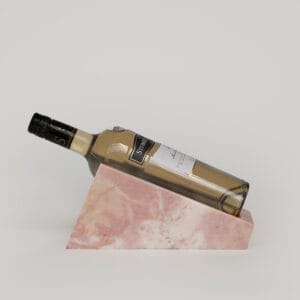
What does storing opened wine entail?
When you open a bottle of wine, a process begins where the wine comes into contact with oxygen. This process, known as oxidation, can drastically affect the taste and quality of the wine. Oxygen is essential for the development of wine aromas, but too much exposure can spoil the wine. So it is crucial to keep wine fresh after opening to store properly to preserve the taste and quality for as long as possible.
Storing opened wine means more than just putting the cork back on the bottle. It requires attention to the environment in which the wine is stored. Proper storage can ensure that an opened bottle can be enjoyed for days or even weeks. It is important to know how to store wine to prevent precious bottles from being lost due to improper storage.
Factors Affecting the Shelf Life of Opened Wine
Several factors play a role in the shelf life of wine after opening. The type of wine is one of the most important aspects. Red wines generally have a longer shelf life than white wines, thanks to their tannins and higher alcohol content that act as natural preservatives. Sparkling wines lose their bubbles and freshness much faster after opening.
Exposure to air is another important factor. The more air in the bottle, the faster the wine oxidizes. Temperature also plays a role. Wine lasts longer at lower temperatures, ideally between 10 and 15 degrees Celsius. Finally, storage methods are important; storing a bottle upright reduces exposure to air, which improves shelf life.
Practical tips for storing opened wine
There are several practical ways to extend the shelf life of opened wine. A simple method is using a vacuum pump. This removes air from the bottle, slowing oxidation. Wine stoppers are also a popular option; they seal the bottle airtight and help preserve freshness. A less elegant but practical solution is to pour the wine into a smaller plastic bottle and squeeze out the last of the air before sealing. The use of argon is also interesting; this can with the oxxi wine protector spray a layer of argon, a noble gas, into the bottle. Because this gas is heavier than oxygen and does not affect the wine negatively, you can store the wine for up to 8 weeks after opening. It is important not to use this too long after opening, preferably within a few hours.
It's also recommended to store wine in the refrigerator, even red wine. The low temperature slows the oxidation process. If you drink wine regularly, it might be worth investing in a wine refrigerator that maintains the ideal temperature and humidity. This way, you can keep your wine fresh for longer.
Differences between types of wine and their shelf life
The shelf life of opened wine varies greatly depending on the type of wine. Red wines such as can typically last three to five days due to their tannins. White wines such as Sauvignon Blanc or Chardonnay have a shorter shelf life of about three days.
Sparkling wines such as Champagne should be consumed as soon as possible after opening, as they lose their carbonation quickly. Dessert wines, on the other hand, with their higher sugar content, can last a little longer, sometimes up to a week. It is essential to know what type of wine you have so that you can apply the correct storage methods.
Common mistakes when storing opened wine
A common mistake when storing opened wine is to store it at room temperature. This accelerates the oxidation process and spoils the wine faster. Also, not closing the bottle properly, for example by not putting the cork back on firmly, leads to accelerated oxidation.
Another mistake is storing the bottle near strong odors. Wine can absorb odors, which can irreversibly alter the taste. By avoiding these mistakes, you can significantly extend the life and quality of your opened wine.