What are the biggest mistakes when serving wine?
When serving wine, mistakes are often made that can affect the taste and experience. One of the most common mistakes is serving wine at the wrong temperature. Red wines are often served too warm, while white wines are served too cold from the refrigerator. These temperature differences can mask the subtle aromas and flavors of the wine.
In addition, the right glassware plays a crucial role. Using the wrong glasses can reduce the taste experience. For example, a glass that is too large for a delicate white wine can spread the aromas too much, while a small glass for a rich red wine can limit them. Not decanting certain wines is also a missed opportunity. Young and powerful wines can benefit from decanting to reveal their full potential.
The importance of the correct serving temperature
The temperature at which you serve your wine can make a big difference in how it is perceived. Wines served too warm or too cold lose their balance and complexity. For red wines, a temperature of around 16-18 degrees is ideal, while white wines are best served between 8-12 degrees.
Maintaining the correct temperature allows the aromas and flavours of the wine to develop optimally. For example, a wine that is too warm can taste alcoholic and sharp, while a wine that is too cold will lose its fruitiness and freshness. It is worth using a wine thermometer to ensure that your wine is at the perfect temperature before serving.
Choosing the right glassware
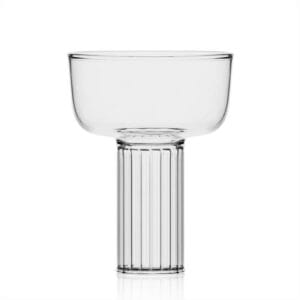
The right glassware can greatly enhance the wine experience. Choosing a glass that matches the type of wine you are serving can help to bring out the aromas and flavors. For red wines, glasses with a wider bowl are ideal, allowing the wine to breathe and the aromas to develop properly.
White wines benefit from a narrower glass, which helps to concentrate the fresh and fruity aromas. Sparkling wines are often served in flutes, which preserve the bubbles for longer. Choosing the right glass can help you unlock the full potential of the wine and create a richer tasting experience.
Decanting and aerating wine
Decanting is a technique that is particularly useful for older red wines and some young, powerful wines. The process helps to remove any sediment and aerate the wine, allowing the flavors to develop better. It can also help to soften the tannins of the wine, resulting in a smoother taste.
Aeration can also be achieved by letting the wine sit in the glass for a while or by using a wine aerator. This is especially useful for young wines that still need some time to open up. It is important to know when a wine would benefit from decanting or aerating so that you can deliver the best tasting experience.
Wine and food pairings
Pairing wine and food can elevate a culinary experience. A good pairing can enhance the flavors of both the wine and the food, while a bad pairing can ruin the experience. A general rule is to match the intensity of the wine to the intensity of the food. Light wines go well with light dishes, while rich, full-bodied wines are better suited to robust dishes.
It is also important to consider the flavors in the wine and the food. A wine with a lot of acidity will pair well with dishes with a similar acidity, while a sweet wine will pair well with spicy dishes. Avoid pairing a dry wine with a sweet dish, as this can make the wine taste sour.
Common Misconceptions About Serving Wine
There are many misconceptions about serving wine that can affect the experience. A common misconception is that all red wines should be served at room temperature. As discussed earlier, this is often too warm for most red wines. Another misconception is that all wines should be decanted, which is not always necessary and can even be harmful to delicate wines.
Another misconception is that expensive wine always tastes better. The price of a wine does not always say anything about the taste or quality; it often depends on personal preference and the occasion. It is important to discover your own taste and experiment with different wines and combinations.
Practical tips
Serving wine is an art that requires practice and knowledge. By paying attention to serving temperature, choosing the right glassware, and knowing when to decant, you can greatly enhance the taste and experience of wine. Remember, discovering your personal preferences and experimenting with wine and food pairings is an important part of the wine experience.
Try different techniques and tips to enrich your wine experience. Whether you are a beginner or a seasoned wine drinker, there are always new things to learn and discover in the world of wine. Enjoy the process and the journey through the multifaceted world of wine.
For more information about wine tastings in the Netherlands, check out the Dutch wine tasting.