Introduction
The ability to read and understand a wine label is a valuable skill for any wine lover. Having this knowledge can not only help you make better wine selections, but it can also elevate your wine experience. Whether you’re buying a bottle at Design & Wijn in Amsterdam or elsewhere, understanding a wine label can help you assess the wine’s provenance, quality, and style.
Reading a wine label can seem a bit overwhelming at first because of the many details listed. However, with the right approach and knowledge of a few basic elements, it becomes a lot easier.
Understand the basic information
The first thing you should look for on a wine label is the basic information. This includes the name of the wine, the winery that produced the wine, and the country of origin. These elements give you a first impression of the wine and where it comes from.
For example, a wine from a well-known winery can be an indication of quality. Dutch wines, such as those from Design & Wijn, often carry the name of the region or specific vineyard, which gives the wine a unique character. The country of origin tells you a lot about the style and climate in which the grapes were grown.
Pay attention to the grape variety
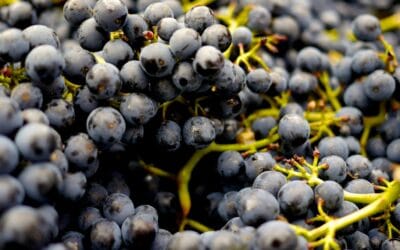
The grape variety or varieties used are essential to understanding what to expect from the taste and style of the wine. Often this is clearly stated on the label. If no specific grape variety is mentioned, it may be a blend of different grapes.
For example, at Design & Wijn you can find wines made from unique Dutch grape varieties such as Solaris and Cabernet Blanc. Knowing these varieties can help you better understand their flavor profiles and potential food pairings.
Decipher the harvest year
The vintage, or the year the grapes were harvested, is an important indicator of the quality and style of the wine. Some years are better than others due to weather conditions affecting the grapes.
When reading the vintage, it is good to know that older wines can often develop more complex flavors. However, some wines are made to be drunk young. In the tasting room of Design & Wijn you can get advice on which Dutch wines mature best and which are best to drink immediately.
Analyze the alcohol percentage
On every wine label you will also find the alcohol percentage, which gives you an idea of the intensity and mouthfeel of the wine. Wines with a higher alcohol percentage often have a fuller body and a heavier mouthfeel.
It is important to know that the alcohol percentage can affect how the wine tastes and what foods it pairs well with. For example, a wine with a high alcohol percentage may go better with rich and full-bodied dishes.
Optional Tips and Best Practices
In addition to the basic information, there are some additional tips to deepen your understanding of wine labels. For example, look for terms like “reserve” or “grand cru,” which often indicate higher quality or specific vineyards.
Also try experimenting with tasting wines next to their labels. This will help you build a personal wine encyclopedia, where you can record and compare tastes and preferences. Design & Wine regularly offers tastings where you can further develop this knowledge.
Troubleshooting
A common problem when reading wine labels is the jargon that is sometimes used. If you don't understand a term, there are many online resources and apps that can help you decipher it.
Another challenge may be that some labels do not contain all the information you are looking for. In that case, it may be useful to search online for the producer or to ask for advice in a specialized store.
Additional Resources
For readers who want to expand their wine knowledge, there are many resources available. Consider purchasing a wine book, or enrolling in a wine course or workshop.
In addition, it offers Design & Wine a wealth of information about Dutch wines and design products. Here you can also sign up for their newsletter to stay informed about new products and events.
Reading a wine label is a valuable skill that will help you make better wine choices and enjoy the wine experience more. Whether you’re choosing a new bottle at the Design & Wijn store or elsewhere, use this knowledge to enrich your wine adventures. Try different Dutch wines and discover which ones suit your taste best. Have fun exploring and tasting!