What is organic wine?
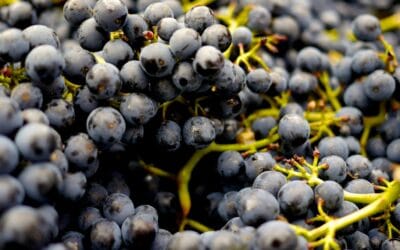
Organic wine is a type of wine that is produced according to specific guidelines aimed at environmental friendliness and sustainability. The most important characteristic of organic wine is that no synthetic pesticides, fertilizers or genetically modified organisms are used during the cultivation of the grapes. Instead, organic winemakers use natural methods to promote the health of the vines and control pests.
To be certified organic, wine producers must meet strict regulations and certifications that vary by country. In the Netherlands, these standards are set by organizations such as Skal Biocontrol. This certification guarantees that the wine meets organic standards. Organic wine differs from conventional wine in that the production process is more focused on sustainability and the preservation of biodiversity. This not only affects the environment, but often also the taste and quality of the wine.
The principles of biodynamic viticulture
Biodynamic viticulture goes a step further than organic viticulture by taking a holistic approach to agriculture. It follows the philosophy of Rudolf Steiner, who assumes that a vineyard is a living ecosystem that must be in balance with the natural cycles of the earth. Biodynamic viticulture uses special preparations to stimulate the growth of the vines.
This means that biodynamic wine producers often work with a biodynamic calendar to determine when to prune, harvest and perform other vineyard activities. The aim is to strengthen the ecosystem of the vineyard, which can result in wines with a unique flavour profile that reflects the terroir. Biodynamic wines can be recognised by certifications from organisations such as Demeter certification, which monitor compliance with biodynamic principles.
What makes natural wine unique?
Natural wine is a type of wine that distinguishes itself by the minimal intervention during both the vineyard activities and the winemaking process. In natural wine, indigenous, natural yeasts are often used for fermentation and additives such as sulphites are avoided as much as possible.
The result is a wine that shows the pure expression of the grape and the terroir. Natural wines can vary in taste and appearance, and often have a cloudier appearance due to the lack of filtration. These wines are popular with enthusiasts who are looking for authentic taste experiences and a product that is close to nature. Making natural wine requires a lot of craftsmanship and trust in the natural processes.
Comparison of organic vs biodynamic vs natural wine
While organic, biodynamic, and natural wines all focus on sustainability and natural production processes, there are clear differences. Organic wine focuses on avoiding synthetic chemicals and fertilizers, while biodynamic viticulture emphasizes the connection between vines and their environment. Natural wine, on the other hand, focuses on minimal intervention, both in the vineyard and in the cellar.
In terms of flavor profiles, organic wines can often have a more pronounced fruitiness, while biodynamic wines often exhibit complexity and depth thanks to the holistic approach. Natural wines can range from bright and fresh to funky and complex, depending on the techniques and grape varieties used. In terms of sustainability, all three types of wine are a step toward more environmentally friendly wine production, but they differ in their approach and philosophy.
How to choose the right wine for your needs?
Choosing the right wine depends on personal preferences and values. If you value eco-friendliness, then an organic wine is a good choice. For those interested in a holistic approach to farming, biodynamic wine may be preferable. Natural wine is ideal for wine lovers looking for an authentic and unfiltered experience.
Also consider the flavor profile you are looking for. Do you want a wine with a pronounced fruitiness, complexity, or an adventurous taste experience? Visit a wine tasting, such as wine tasting at Design & Wijn in Amsterdam, to try different types and discover which one best suits your taste and values. Experiencing different types of wine can help you make a well-considered choice.
Common misconceptions about sustainable wines
There are several misconceptions about organic, biodynamic and natural wines. A common misconception is that these wines are always more expensive than conventional wines. While some sustainable wines can command a higher price due to smaller production and more labor-intensive methods, there are many affordable options available.
Another misconception is that sustainable wines have a shorter shelf life. While natural wines can sometimes be more susceptible to oxidation, organic and biodynamic wines can age just as well, if not better, than conventional wines. It is important to separate fact from fiction by doing research and experimenting with different wines to discover your own preferences.