Decanting is an art that can transform the taste experience of wine. In this blog post, you will learn what decanting is, how it works, and when to use it. We will also share practical tips and discuss common mistakes. Finally, we will compare decanting with carafe, so you know exactly when to use which technique.
What is decanting?
Decanting is the process of gently pouring wine from the bottle into a carafe. The term originates from the Latin word 'decanthare', meaning 'to pour over'. The purpose of decanting is to separate the sediment that has collected in the bottle over the years. This sediment is most common in older red wines and can affect the taste and texture of the wine.
In addition to removing sediment, decanting also helps aerate the wine. Pouring the wine into a wider decanter allows more oxygen to enter, which can open up the aromas and flavors of the wine. This is especially important for young, powerful wines that are not yet fully developed in the closed environment of a bottle. By this decanting technique these wines become more accessible and pleasant to drink.
How does decanting work?
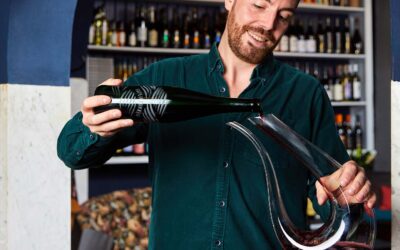
Decanting begins by carefully opening the wine bottle. Keep the bottle still during this process to prevent the sediment from spreading through the wine. Then, slowly pour the wine into a decanter, tilting the bottle slightly. It is important to keep the bottle and decanter close together to prevent spillage. Pay close attention to the sediment; stop pouring as soon as you see it approaching.
It’s not just a matter of caution, it’s also a matter of patience. Let the wine sit in the decanter for a while so that the oxygen can do its work. The time needed to aerate the wine varies; some wines only need half an hour, while others can benefit from several hours of extra air. It’s a subtle but crucial step in bringing out the full potential of the wine.
When should you decant wine?
Decanting is especially useful for older wines or wines with a lot of sediment. Red wines that are more than ten years old often benefit from decanting to remove sediment. Young, powerful wines can also benefit from decanting, as the process enriches their aromas and softens the tannins. This allows even the most robust wines to develop a silky texture and complex aroma.
In addition to improving the taste, decanting can also improve the presentation of the wine. Serving wine from a stylish decanter can add an elegant element to your dinner or wine tasting at Design & Wijn AmsterdamAt Design & Wijn Amsterdam we know that the presentation of wine is just as important as the taste experience itself.
Practical tips for decanting wine
Choosing the right decanter is essential. A wide decanter with a large opening is ideal for aerating young wines, while a narrow decanter is better suited for older wines with a lot of sediment. The timing of decanting is also important; do this well before you want to serve the wine for the best results.
Another handy tip is to use a flashlight or candle to see the sediment in the bottle as you pour. This will help you to accurately stop pouring once the sediment reaches the neck of the bottle. Don’t forget to taste the wine before serving; this will ensure that it has reached its optimum flavor.
Common Mistakes When Decanting
A common mistake is to let the wine aerate for too long. While oxygen can enhance the flavor, too much exposure can also make the wine flat. It is therefore important to taste the wine regularly during decanting. Another mistake is to use the wrong decanter, which can cause the wine to not aerate enough or the sediment to separate properly.
In addition, forgetting to clean the carafe after each use can affect the taste of the next wine. Make sure that no residues from previous wines or cleaning agents remain. A clean carafe is essential for a pure taste experience.
Decanting versus carafing
Although decanting and carafing are often used interchangeably, there are important differences. Decanting focuses primarily on separating sediment and aerating the wine. Carafing, on the other hand, is primarily intended to quickly aerate younger wines without removing sediment. Carafing can also improve the presentation of a wine, just like decanting.
Choose decanting when dealing with older wines or wines with sediment. For younger wines that only need aeration, decanting is usually sufficient. Design & Wine Amsterdam We understand that the choice between these techniques depends on the specific wine and the occasion, and we are happy to help you make the right choice.