Decanting wine
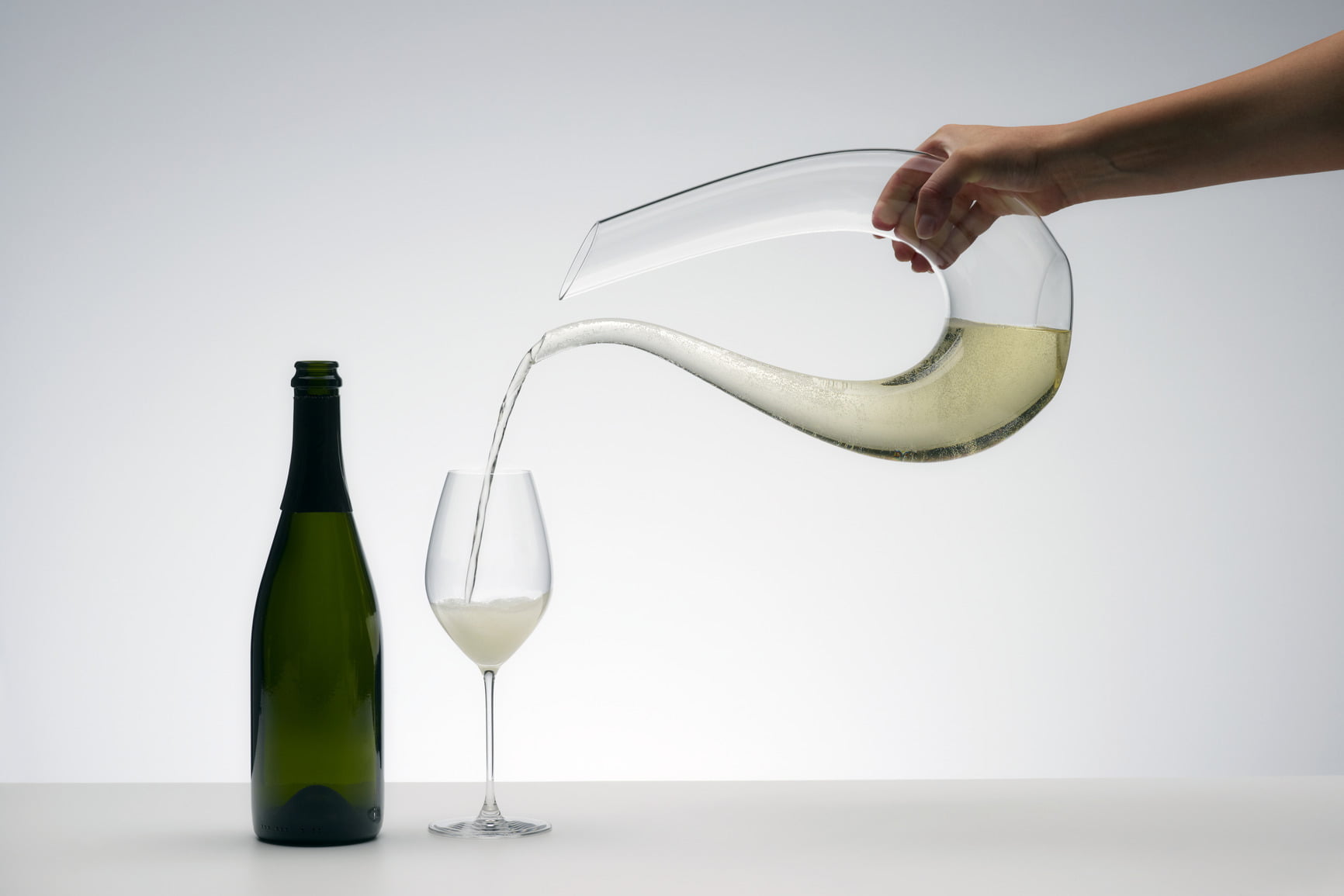
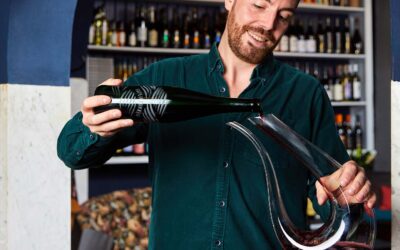
Decanting wine is an age-old technique used to aerate and separate the wine from any sediment. The decanting process not only brings out the aromas and flavors of the wine, but it can also help make young wines softer and more accessible. In this blog post we will take a closer look at what decanting exactly is, which wines you can best decant, how you can use a decanting carafe in different ways and what alternatives there are if you don't have a decanting carafe.

What is decanting?
Which wines do you decant?
Not all wines benefit from decanting. In general, there are three main categories of wines that can benefit from decanting:
Red wines
invisible row to make it closed
Your content goes here. Edit or delete this text inline or in the Content Settings module. You can also format every aspect of this content in the Design Settings module and even apply custom CSS to this text in the Advanced Settings module.
Young red wines
Old red wines
Old wines may contain sediment that has developed over time. By carefully decanting the wine, you can separate the sediment and prevent it from ending up in your glass.
Powerful red wines
Wines with intense structure and complexity can benefit from decanting. Aerating these wines helps develop the aromas and makes them more accessible.

White wines
In general, white wines are decanted less often than red wines, as white wines tend to contain less tannins and sediment. Still, there are some exceptions where decanting certain white wines can be beneficial. Here are some examples of white wines that can sometimes benefit from decanting:
invisible row to make it closed
Your content goes here. Edit or delete this text inline or in the Content Settings module. You can also format every aspect of this content in the Design Settings module and even apply custom CSS to this text in the Advanced Settings module.
Oxidized white wines
Some white wines, such as certain aged Chardonnay or Chenin Blanc wines, can develop an oxidative character over time and exposure to oxygen. Decanting can help enliven these wines and enhance their aromas.
Aromatic white wines
Aromatic white wines such as Gewürztraminer, Riesling or Viognier can have complex aromas that develop better after exposure to oxygen. Gently decanting these wines allows the aromas to open up and intensify.
Thick, full-bodied white wines
Some white wines, such as oak-aged Chardonnay or white Rhône blends, can have a rich and full character. Decanting can help to better balance the flavors and aromas, especially if the wine is still young and needs some time to develop.
How can I decant wine without a decanter carafe?
If you don't have a special decanter available, there are several alternative methods you can use to decant your wine. Here are some suggestions:
invisible row to make it closed
Your content goes here. Edit or delete this text inline or in the Content Settings module. You can also format every aspect of this content in the Design Settings module and even apply custom CSS to this text in the Advanced Settings module.
Decanter or decanter with wide bottom
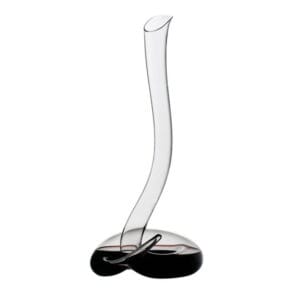
If you have a regular carafe or a wide-bottomed carafe, you can use it as an alternative to a decanter carafe. Make sure the decanter is clean and dry before pouring the wine. The wide surface of the soil helps to expose the wine to oxygen and enhance its aromatic properties.
Large glass jug
A large glass pitcher can also serve as an alternative to a decanter. Choose a pitcher with a wide mouth so that the wine can breathe easily. Make sure the jug is clean and preferably does not hold strong odors that could affect the taste of the wine.
A clean and dry wine bottle
If you don't have a suitable carafe, you can also decant the wine by carefully pouring it into a clean and dry wine bottle. Be sure to pour the wine gently so that the sediment remains in the original bottle.
Swivel in the glass
Another simple method of decanting the wine is by swirling it in the glass. Pour a small amount of wine into the glass and gently swirl it in circular motions. This helps to expose the wine to oxygen and release the aromas.
Remember it's important to be careful when decanting the wine, especially if you're working with old wines where the sediment needs to be kept separate. The goal is to expose the wine to oxygen and enjoy an enhanced taste experience, even if you don't have a dedicated decanter.


How long can you keep wine after opening?
What does storing opened wine involve? When you open a bottle of wine, a process begins where the wine comes into contact with oxygen. This process, known as oxidation, can drastically affect the taste and quality of the wine. Oxygen is essential for the...
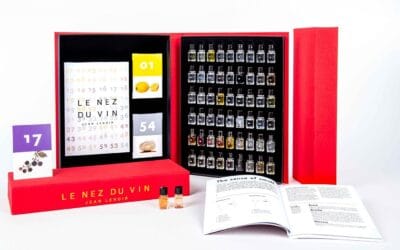
What are the main aromas in wine?
What are wine aromas? Wine aromas are the scents that are released when smelling and tasting wine. These aromas are essential because they are an important part of the wine experience. The scent of wine can vary from floral and fruity to spicy and earthy, and...

What does decanting mean and when do you do it?
Decanting is an art that can transform the taste experience of wine. In this blog post, you will learn what decanting is, how it works, and when to use it. We will also share practical tips and discuss common mistakes. Finally, we will compare...
What are the biggest mistakes when serving wine?
What are the biggest mistakes when serving wine? When serving wine, mistakes are often made that can affect the taste and experience. One of the most common mistakes is serving wine at the wrong temperature. Red wines are often served at the wrong temperature.

How do you recognize the quality of wine?
Why Recognizing Wine Quality is Important Recognizing wine quality is an art that goes beyond tasting. Knowing what you’re drinking can help you make better choices when buying and serving wine. Not only does it enhance your...

What is the ideal serving temperature for wine?
What is the ideal serving temperature for wine? Serving wine at the right temperature is essential to bring out the best flavors and aromas. Red wine is best served between 15-18°C. This temperature allows the complex flavors and aromas to...

How do you read a wine label?
Introduction The ability to read and understand a wine label is a valuable skill for any wine lover. Having this knowledge can not only help you make better wine selections, but it can also elevate your wine experience. Whether you are a...

What are magnum bottles and why are they used?
What are magnum bottles? Magnum bottles are a fascinating phenomenon in the world of wine bottles. They are distinguished by their unique size and charm. A magnum bottle has a capacity of 1.5 liters, which is the equivalent of two standard 0.75 liter wine bottles.
Which grape varieties are the most popular?
What are Grape Varieties? Grape varieties, also known as grape varietals, are the foundation of wine production. They are crucial because each grape variety adds unique characteristics and flavors to wine. This means that choosing a particular grape variety can be a...

What is the difference between organic, biodynamic and natural wine?
What is organic wine? Organic wine is a type of wine that is produced according to specific guidelines aimed at environmental friendliness and sustainability. The most important characteristic of organic wine is that no pesticides are used during the cultivation of the grapes.