While the Netherlands may not be immediately known for its winemaking, the country is home to a surprising array of grape varieties that thrive in its unique climatic conditions. With growing interest in local produce and the effects of climate change, Dutch grape growing offers opportunities that are both traditional and innovative. Find out why grape growing is flourishing here, and how the future of Dutch wine looks bright.
What are the grape varieties grown in the Netherlands?
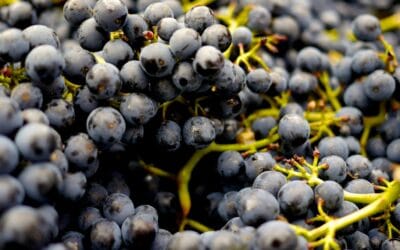
In the Netherlands you will find a surprising diversity of grape varieties. Some of the most popular varieties are Solaris, Johanniter, and Is raining. Solaris and Johanniter are white grapes that are known for their strong resistance to diseases. This makes them ideal for the Dutch climate, which can sometimes be humid. Regent is a red grape variety that thrives in our moderate temperatures and offers a rich, fruity flavor.
In addition, Dutch winemakers often experiment with hybrid varieties. These are specially developed to be more resistant to the weather and to deliver higher quality grapes. The result is a range of wines that are both traditional and innovative, and each have their own unique character. Here is an overview of all the grape varieties that we find in the wines in our range.
Acolon – Auxerrois – Baron – Bianca – Cabernet Blanc – Cabernet Cortis – Cabernet Noir – Cabertin – Chardonnay – Dornfelder – Gewürztraminer – Helios – Johanniter – Kerner – Leon Millot – Lemberger – Marechal Foch – Merlot – Muscaris – Phoenix – Pinot Blanc – Pinot Gris – Pinot Noir / Spätburgunder / Frühburgunder – Pinotin – Regent – Riesel – Riesling – Rondo – Satin Noir – Sauvignac – Solaris – Souvignier Gris – Tempranillo – Trollinger – Vilaris – Rivaner – Siegerrebe
Why grow grapes in the Netherlands?
You may wonder why grape growing is becoming so popular in the Netherlands. The answer lies partly in climate change. Rising temperatures make it possible to grow grapes in areas where this was previously difficult. As a result, vineyards can now flourish in more northern regions.
In addition, there is a growing demand for local products. Consumers increasingly want to know where their products come from and consciously choose local wines. This offers Dutch wine farmers unique opportunities on the market. Innovations in technology and agricultural methods also make it possible to increase both the quantity and quality of the harvest.
How does grape cultivation work in the Netherlands?
Growing wine in the Netherlands is challenging due to the cool and changeable climate, with relatively high rainfall, limited hours of sunshine and a chance of frost in spring and autumn. This increases the risk of fungal diseases and delays the ripening of grapes. To grow wine successfully, disease-resistant grape varieties such as Johanniter, Solaris and Regent are essential in many parts of the Netherlands, in addition to well-chosen locations with a sunny, sheltered position and good soil composition. Furthermore, modern viticultural techniques, such as leaf management, irrigation and drainage, play a crucial role in optimising the growing conditions and improving the wine quality.
The majority of grapes in the Netherlands are pruned and harvested by hand to ensure the best quality. This is a labor-intensive process, but the result is impressive: high-quality grapes that are transformed into beautiful wines. The challenges of the Dutch climate are increasingly understood and overcome thanks to the inventiveness and perseverance of local wine farmers.
Practical tips for growing grapes in your own garden
Are you considering growing your own grapes? Here are some tips to get you started. First, good soil preparation is crucial. Make sure the soil is well-drained and add organic matter for nutrients. Then, choose grape varieties that are suited to the Dutch climate, such as the previously mentioned Solaris or Johanniter.
Remember to prune and fertilize your grape plants regularly. This will help promote healthy growth and a bountiful harvest. And finally, be patient. It may take a few years for your plants to produce their first fruits, but the rewards are well worth the wait.
The future of grape cultivation in the Netherlands
Grape cultivation in the Netherlands is booming. With the continuous developments in sustainability and innovation, the future looks bright. Dutch winegrowers are increasingly focusing on organic and sustainable production methods, which is not only good for the environment, but also for the taste of the wine.
Furthermore, interest in Dutch wines is growing internationally. They are increasingly being recognized for their quality and unique flavor profiles. For those who are curious about the diversity and quality of Dutch wines, a visit to our Dutch wine webshop highly recommended. Here you will find a carefully selected collection that perfectly reflects the charm of our local vineyards.